Rustic German Bread
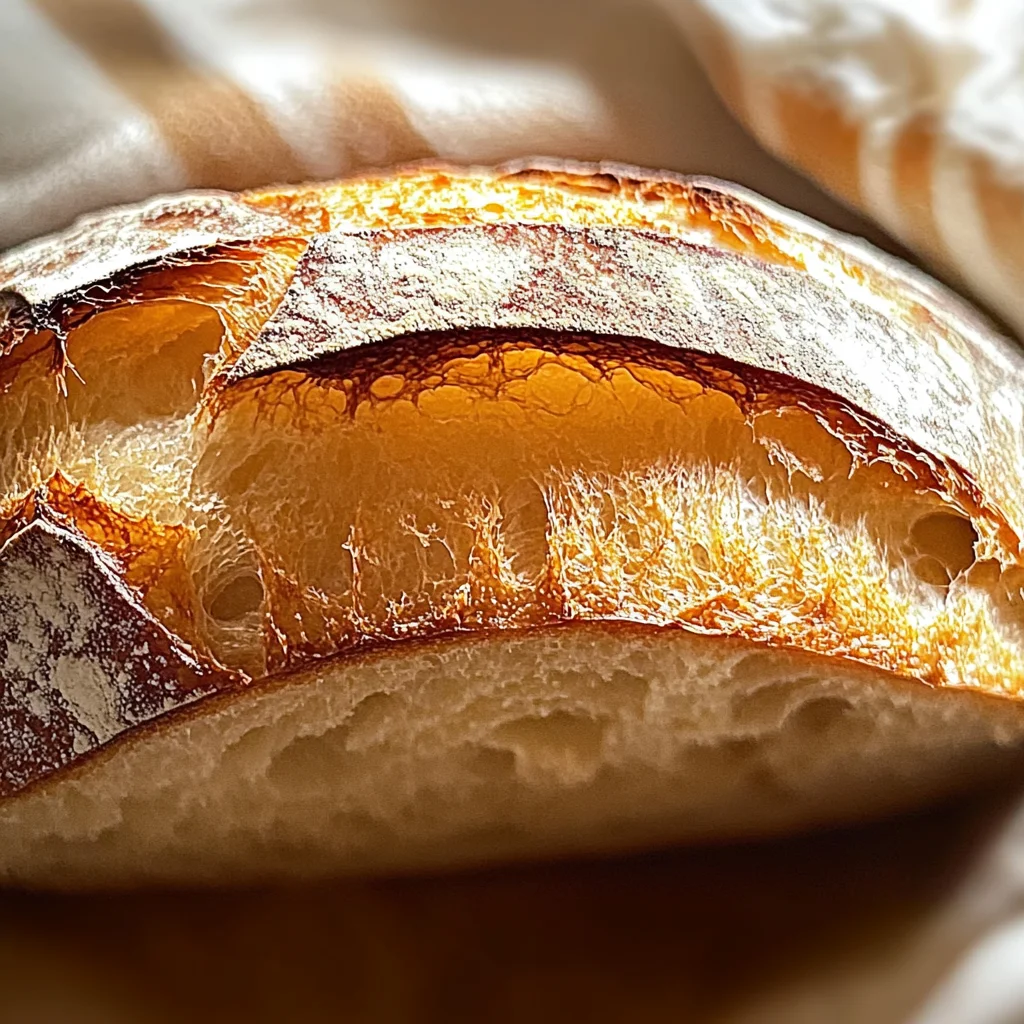
If you’re looking for a delightful bread recipe that fills your home with warmth and comfort, then look no further than this Rustic German Bread! There’s something truly special about the aroma of fresh-baked bread wafting through the kitchen. This recipe is not only easy to follow but also yields a hearty loaf that’s perfect for any occasion. Whether it’s a busy weeknight dinner or a cozy family gathering, this rustic bread will surely impress.
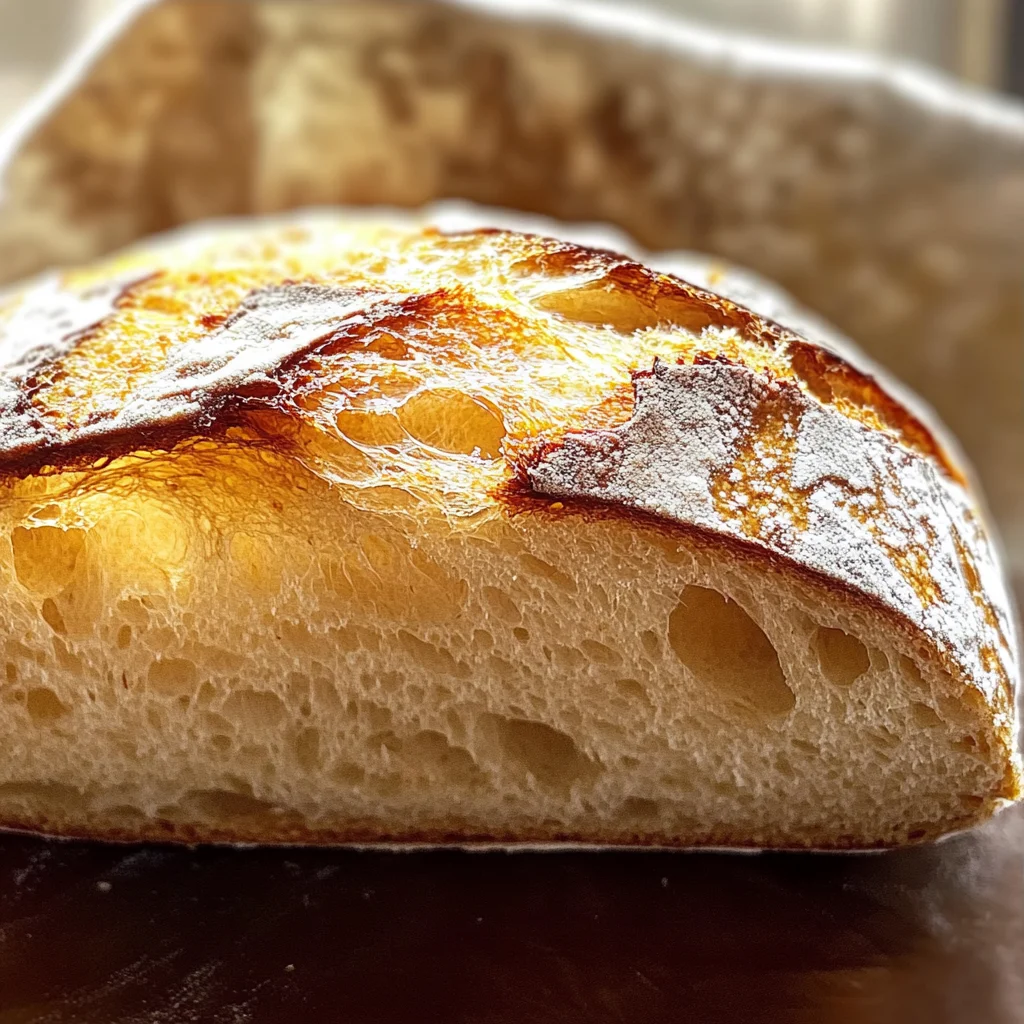
What I love most about this Rustic German Bread is its chewy texture and rich flavor. It’s wonderful on its own or served alongside your favorite soups and stews. You can even enjoy it simply with some butter and jam for a sweet treat. Trust me, once you’ve tasted this homemade goodness, you’ll keep coming back for more!
Why You’ll Love This Recipe
- Simple ingredients: This recipe uses basic pantry staples that you probably already have at home.
- Quick preparation: With just a few steps, you’ll have delicious bread ready to bake in no time.
- Family-friendly: Everyone loves freshly baked bread, making this recipe perfect for all ages.
- Versatile: Enjoy it warm, at room temperature, or as part of a meal—it’s always a hit!
- Great for meal prep: Make it ahead of time and store it for quick meals throughout the week.
Ingredients You’ll Need
Let’s gather our simple, wholesome ingredients! You will find that these items are easy to source, making it convenient to whip up this Rustic German Bread whenever the craving strikes.
- 350 ml water (room temperature)
- 1 tablespoon sugar
- 8 grams dry yeast
- 25 ml sunflower oil
- 500 grams flour (plus extra for dusting)
Variations
One of the best things about this Rustic German Bread is its flexibility! You can customize it in various ways to suit your taste preferences or dietary needs. Here are some fun ideas:
- Add herbs: Mix in some dried rosemary or thyme to give your bread an aromatic twist.
- Incorporate seeds: Add sunflower seeds or pumpkin seeds for extra crunch and nutrition.
- Make it whole grain: Substitute part of the white flour with whole wheat flour for a nuttier flavor.
- Try different shapes: Instead of a loaf, shape the dough into rolls or baguettes for fun presentation.
How to Make Rustic German Bread
Step 1: Activate the Yeast
In a large bowl, pour 350 ml of water and add 1 tablespoon of sugar along with 8 grams of dry yeast. Stir until dissolved. Cover the bowl and let it sit for about 5 minutes until it’s frothy. Activating the yeast is crucial because it ensures your bread rises beautifully!
Step 2: Mix in Oil and Flour
Next, add 25 ml of sunflower oil to your yeast mixture. Gradually sift in 500 grams of flour while stirring to combine. This process helps build structure in your dough. Mix until you have a sticky dough formed—don’t worry if it’s messy; that’s part of the charm!
Step 3: Let It Rise
Cover the bowl with a clean cloth and set it in a warm area to rise for about an hour or until doubled in size. This step allows gluten to develop, which gives your bread that wonderful chewy texture we all love.
Step 4: Develop Gluten
Once risen, gently stir the dough to release air bubbles. Cover it again and let it rest for another 30 minutes. This resting phase is essential; it strengthens the gluten further, resulting in better structure.
Step 5: Shape Your Dough
Lightly flour your work surface and roll the dough into a rectangle. Fold it like a letter and let it rest for another 10 minutes. Now shape your dough into either a loaf, boule, or individual rolls based on what you’re feeling!
Step 6: Prepare to Bake
Place your shaped dough on a lined baking tray. Use a sharp knife to make decorative slashes on top; this isn’t just pretty—it helps release steam while baking! Preheat your oven to 230°C (446°F) so it’s nice and hot when you’re ready.
Step 7: Bake and Enjoy
Bake your beautiful bread for about 30-40 minutes until golden brown and sounding hollow when tapped on the bottom. Remove from the oven and cool on a wire rack before slicing—if you can wait! Enjoy warm or at room temperature; either way, it’s sure to be delightful!
Pro Tips for Making Rustic German Bread
Baking your own rustic German bread is a rewarding experience, and these tips will help you achieve the best results.
- Use Fresh Yeast: Ensuring your yeast is fresh can make all the difference in helping your dough rise properly, resulting in a fluffy texture that’s hard to beat.
- Knead Thoroughly: Kneading develops gluten, which gives the bread its structure and chewy texture. Don’t rush this step; aim for about 10 minutes of kneading.
- Create Steam in the Oven: Adding a pan of water to the bottom of your oven while baking creates steam, which helps develop a crusty exterior while keeping the inside moist.
- Let it Cool Completely: Allowing your bread to cool on a wire rack before slicing prevents it from becoming gummy and enhances its flavor.
- Experiment with Flours: While this recipe uses standard flour, trying whole wheat or spelt flour can add unique flavors and nutritional benefits to your rustic loaf.
How to Serve Rustic German Bread
This rustic German bread is not only delicious but also versatile. Here are some delightful ways to present and enjoy it.
Garnishes
- Fresh Herbs: Sprinkling chopped chives or parsley adds a pop of color and freshness that complements the hearty bread beautifully.
- Olive Oil and Balsamic Vinegar: A small dish of good quality olive oil mixed with balsamic vinegar makes for a simple yet elegant dipping option.
Side Dishes
- Hearty Vegetable Soup: Pairing this bread with a warm vegetable soup makes for a comforting meal, perfect for chilly evenings.
- Classic Green Salad: A light salad with mixed greens, cherry tomatoes, and a vinaigrette balances the richness of the bread with freshness.
- Roasted Root Vegetables: Sweet potatoes, carrots, and beets roasted with herbs create an earthy side that complements the rustic flavors of the bread.
- Hummus Platter: Serve with an assortment of hummus flavors alongside fresh veggies for dipping; it’s a great way to enjoy this bread as part of an appetizer spread.
With these serving suggestions and pro tips, you’re well on your way to enjoying delicious homemade rustic German bread! Happy baking!
Make Ahead and Storage
This Rustic German Bread is perfect for meal prep! Its robust flavor and delightful texture mean it stays fresh for several days, making it a great addition to your weekly menu.
Storing Leftovers
- Store the bread in a paper bag at room temperature to maintain its crustiness.
- For longer freshness, wrap it tightly in plastic wrap or aluminum foil.
- Place the wrapped bread in an airtight container, if available.
Freezing
- Allow the bread to cool completely before freezing.
- Slice the bread into desired portions and wrap each slice individually in plastic wrap.
- Place wrapped slices into a freezer-safe bag or container, removing as much air as possible before sealing.
Reheating
- To enjoy your bread warm, preheat your oven to 180°C (350°F).
- Remove any plastic wrap and place the bread directly on the oven rack or on a baking tray.
- Heat for about 10-15 minutes or until warmed through. You can also use a toaster for individual slices!
FAQs
Here are some common questions you might have about making Rustic German Bread.
Can I use whole wheat flour instead of regular flour for Rustic German Bread?
Yes, you can substitute some of the all-purpose flour with whole wheat flour for a nuttier flavor and denser texture. Just keep in mind that you may need to adjust the amount of water slightly.
What makes Rustic German Bread different from other types of bread?
Rustic German Bread is known for its chewy texture and hearty flavor. The use of simple ingredients combined with traditional methods gives it a unique character that pairs beautifully with various dishes.
How long does Rustic German Bread last?
When stored properly at room temperature, this bread can last up to 3-5 days. If frozen, it can maintain its quality for up to 3 months!
Final Thoughts
I hope you find joy in baking this Rustic German Bread! Its warm, chewy goodness is not only satisfying but also brings a lovely aroma into your kitchen. Whether you’re enjoying it with soup or simply slathered in butter and jam, this recipe is sure to become a favorite. Happy baking, and don’t hesitate to share your creations with friends and family!
Rustic German Bread

If you’re in search of a comforting bread recipe that fills your home with delightful aromas, look no further than this Rustic German Bread. This hearty loaf, characterized by its chewy texture and rich flavor, is perfect for any meal—be it a cozy family dinner or a casual gathering with friends. Made with simple pantry staples, this recipe is not only easy to follow but also allows for customization to suit your tastes. Enjoy it warm with butter, as part of a sandwich, or alongside your favorite soups and salads. Once you experience the homemade goodness of this rustic bread, it’ll surely become a staple in your kitchen.
- Prep Time: 15 minutes
- Cook Time: 40 minutes
- Total Time: 55 minutes
- Yield: Approximately 12 servings 1x
- Category: Dinner
- Method: Baking
- Cuisine: German
Ingredients
- 350 ml water (room temperature)
- 1 tablespoon sugar
- 8 grams dry yeast
- 25 ml sunflower oil
- 500 grams flour (plus extra for dusting)
Instructions
- Activate the yeast by combining water, sugar, and yeast in a bowl. Let sit for 5 minutes until frothy.
- Stir in sunflower oil and gradually mix in flour until a sticky dough forms.
- Cover and let rise in a warm place for about an hour or until doubled in size.
- Gently stir the dough to release air bubbles, cover again, and rest for another 30 minutes.
- Shape the dough into a loaf or rolls and let rest for 10 minutes.
- Preheat the oven to 230°C (446°F) while placing the shaped dough on a lined tray.
- Make slashes on top of the dough and bake for 30-40 minutes until golden brown.
Nutrition
- Serving Size: 1 slice (70g)
- Calories: 170
- Sugar: 0g
- Sodium: 0mg
- Fat: 3g
- Saturated Fat: 0g
- Unsaturated Fat: 2g
- Trans Fat: 0g
- Carbohydrates: 30g
- Fiber: 1g
- Protein: 5g
- Cholesterol: 0mg