Homemade Rosemary Bread
A delightful and aromatic treat, Homemade Rosemary Bread fills your kitchen with the warm scent of fresh herbs. This rustic bread is perfect for any occasion, whether served alongside a hearty soup or enjoyed on its own. Its unique flavor profile comes from fresh rosemary, making it a standout choice for gatherings or cozy dinners at home.
Why You’ll Love This Recipe
- Easy to Make: With simple ingredients and straightforward steps, even novice bakers can create this delicious bread.
- Aromatic Flavor: The fresh rosemary infuses the bread with a wonderful fragrance and taste that elevates any meal.
- Versatile Serving Options: Enjoy it fresh out of the oven, as sandwich bread, or toasted with butter for a comforting snack.
- Perfect for Sharing: This homemade bread makes an excellent gift for friends and family, showcasing your baking skills.
- Customizable Recipe: Feel free to add other herbs or spices to make this bread uniquely yours.
Tools and Preparation
Before you start baking, gather your tools. Having everything organized will make the process smoother and more enjoyable.
Essential Tools and Equipment
- Mixing bowl
- Baking sheet
- Sharp knife
- Clean towel
- Measuring cups and spoons
Importance of Each Tool
- Mixing bowl: A spacious bowl allows you to mix your ingredients thoroughly without spilling.
- Baking sheet: Provides an even surface for baking your loaf, ensuring consistent results.
- Sharp knife: Useful for making slashes on the dough; this helps control how the bread expands while baking.
Ingredients
A delightful and aromatic treat that fills your kitchen with the warm scent of fresh herbs, this rustic bread is perfect for any occasion.
For the Bread
- 4 cups of all-purpose flour
- 1 packet of active dry yeast
- 1 1/2 cups of warm water
- 2 tablespoons of fresh rosemary, chopped
- 1 teaspoon of salt
- 1 tablespoon of olive oil
How to Make Homemade Rosemary Bread
Step 1: Prepare the Yeast Mixture
In a large mixing bowl, combine the warm water and yeast. Let it sit for about 5 minutes until it becomes frothy.
Step 2: Combine Ingredients
Add the flour, salt, chopped rosemary, and olive oil to the yeast mixture. Stir until a shaggy dough forms.
Step 3: Knead the Dough
Knead the dough on a floured surface for about 10 minutes until it becomes smooth and elastic.
Step 4: Let It Rise
Place the dough in a greased bowl, cover it with a clean towel, and let it rise in a warm place for about 1 hour or until doubled in size.
Step 5: Shape the Loaf
Punch down the dough and shape it into a round loaf. Place the loaf on a baking sheet, cover it, and let it rise for another 30 minutes.
Step 6: Bake
Preheat your oven to 400°F (200°C). Make a few slashes on top of the loaf with a sharp knife and bake for 30-35 minutes or until golden brown.
Step 7: Cool Before Serving
Remove the bread from the oven and let it cool before slicing and serving.
This Homemade Rosemary Bread will surely impress everyone at your table! Enjoy!
How to Serve Homemade Rosemary Bread
Homemade Rosemary Bread is versatile and can be enjoyed in many ways. Whether you’re having it fresh out of the oven or toasted, this bread pairs beautifully with various dishes or spreads.
With Olive Oil and Balsamic Vinegar
- Drizzle high-quality olive oil and balsamic vinegar on a plate for dipping. This enhances the bread’s flavor and adds richness.
As Sandwich Bread
- Use slices of rosemary bread to create delicious sandwiches. The aromatic taste of the bread complements meats, cheeses, and fresh veggies perfectly.
Toasted with Garlic Butter
- Spread garlic butter on warm slices for a savory treat. Toast them until golden for an irresistible appetizer or side.
Accompanied by Soup
- Pair your homemade rosemary bread with a hearty soup. Its flavor will elevate any soup, from tomato basil to creamy chowders.
Served with Cheese
- Create a cheese platter featuring your rosemary bread. Pair it with soft cheeses like Brie or sharp cheeses like aged cheddar for delightful contrasts.
As French Toast
- Transform leftover slices into French toast. Dip in egg mixture and pan-fry for a unique breakfast option infused with herbal notes.
How to Perfect Homemade Rosemary Bread
Perfecting homemade rosemary bread takes practice but can be easily achieved with these tips.
- Use Fresh Ingredients: Always use fresh rosemary and active dry yeast to ensure the best flavor and rise.
- Knead Well: Kneading the dough thoroughly develops gluten, resulting in a light and airy texture.
- Control Temperature: Keep the dough in a warm, draft-free area while it rises to promote proper fermentation.
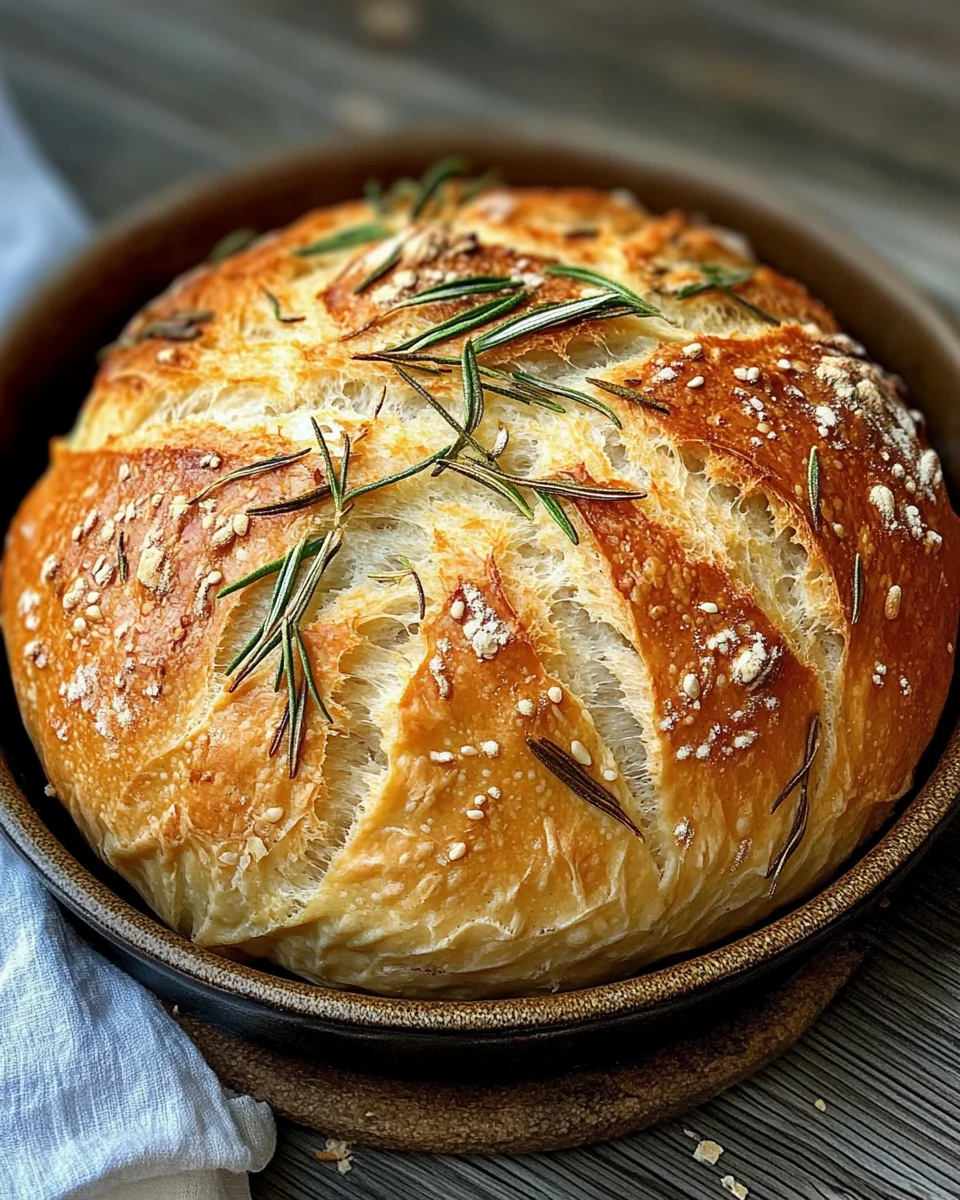
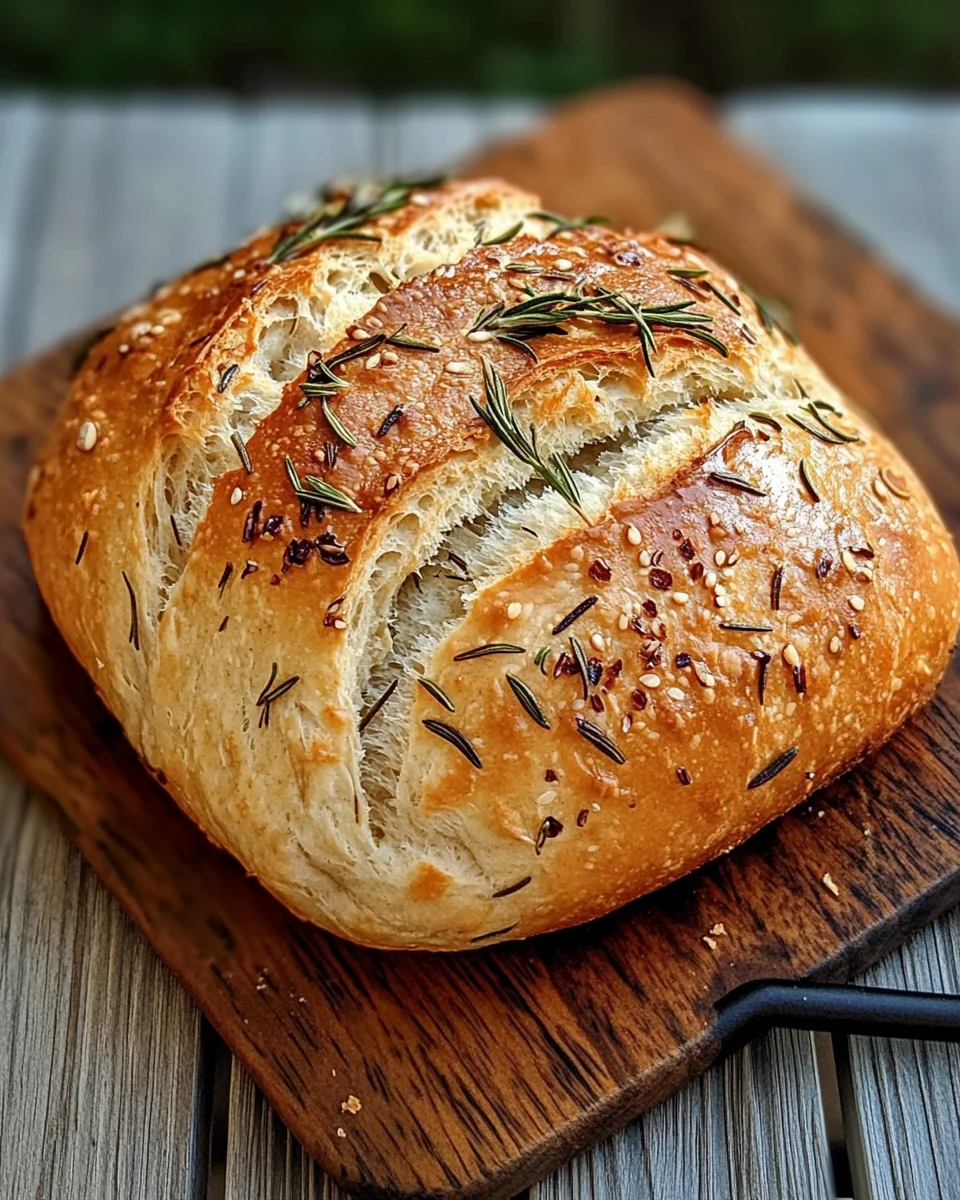
- Slash Before Baking: Make shallow cuts on top of the loaf before baking; this allows steam to escape and helps achieve a nice crust.
- Check Doneness: Look for a golden-brown crust; tapping the bottom of the loaf should produce a hollow sound when it’s ready.
- Cool Properly: Let the bread cool completely before slicing to maintain its structure and texture.
Best Side Dishes for Homemade Rosemary Bread
Homemade rosemary bread pairs wonderfully with various side dishes that enhance its flavors and provide variety at your meal.
-
Mixed Green Salad
A refreshing salad of mixed greens tossed with a light vinaigrette complements the rich flavors of the bread. -
Tomato Basil Soup
This classic pairing offers warmth alongside the aromatic qualities of rosemary, making each bite delightful. -
Roasted Vegetables
Seasonal roasted veggies add color and nutrition, balancing the heartiness of the bread. -
Pasta Primavera
Light pasta dishes filled with fresh vegetables are perfect for soaking up any remaining juices from your main course. -
Bruschetta Topping
Top slices of rosemary bread with diced tomatoes, basil, garlic, and olive oil for an elegant starter. -
Charcuterie Board
Serve it alongside cured meats, pickles, and artisanal cheeses for an impressive appetizer spread. -
Creamy Spinach Dip
Warm spinach dip is perfect for spreading on warm slices; it’s creamy and full of flavor that pairs well with herbs. -
Stuffed Peppers
Hearty stuffed peppers filled with grains or meat make a filling main dish that complements the lightness of rosemary bread beautifully.
Common Mistakes to Avoid
When making Homemade Rosemary Bread, it’s easy to run into some common pitfalls. Here are a few mistakes to watch out for:
-
Incorrect Yeast Activation: Failing to let the yeast foam in warm water can lead to flat bread. Always ensure the water is warm but not hot, as too much heat can kill the yeast.
-
Over-kneading the Dough: Kneading for too long can make the bread tough. Aim for about 10 minutes until the dough is smooth and elastic, but don’t overdo it.
-
Skipping the First Rise: Not allowing the dough to rise properly will result in dense bread. Be patient and let it double in size before shaping.
-
Using Too Much Flour: Adding excessive flour while kneading can dry out your bread. Use just enough flour to prevent sticking, and trust the process of rising.
-
Inconsistent Oven Temperature: An oven that isn’t at the right temperature can affect baking time and texture. Use an oven thermometer to ensure accuracy.
Storage & Reheating Instructions
Refrigerator Storage
- Store your Homemade Rosemary Bread in an airtight container.
- It will stay fresh for up to 4 days in the refrigerator.
Freezing Homemade Rosemary Bread
- Wrap the cooled loaf tightly in plastic wrap, then place it in a freezer bag.
- It can be frozen for up to 3 months without losing quality.
Reheating Homemade Rosemary Bread
- Oven: Preheat to 350°F (175°C). Wrap the bread in foil and heat for about 10-15 minutes.
- Microwave: Place a slice on a microwave-safe plate and cover it with a damp paper towel. Heat for about 15-20 seconds.
- Stovetop: Use a skillet over low heat. Toast slices until they are warmed through and slightly crispy.
Frequently Asked Questions
Here are some common questions about Homemade Rosemary Bread that might help you perfect your baking skills.
How do I store Homemade Rosemary Bread?
Homemade Rosemary Bread should be stored in an airtight container at room temperature or refrigerated if you plan on keeping it longer than a few days.
Can I customize my Homemade Rosemary Bread?
Absolutely! You can add other herbs like thyme or basil, or mix in cheese for extra flavor. Get creative with your ingredients!
How long does it take to make Homemade Rosemary Bread?
The total time from start to finish is about 2 hours and 5 minutes, which includes rising times and baking.
What can I serve with Homemade Rosemary Bread?
This bread pairs wonderfully with soups, salads, or simply with olive oil and balsamic vinegar for dipping.
Final Thoughts
Homemade Rosemary Bread is not only delightful but also versatile, making it perfect for any occasion. You can easily customize it with different herbs or toppings, adding your personal touch. Give this recipe a try, and enjoy the wonderful aroma that fills your kitchen!
Homemade Rosemary Bread

Homemade Rosemary Bread is a delightful, aromatic treat that brings the essence of fresh herbs straight to your kitchen. This rustic loaf boasts a unique flavor profile thanks to the addition of fragrant rosemary, making it an exceptional choice for various occasions—whether enjoyed alongside a hearty soup or as a standalone snack. Easy to prepare and versatile in serving options, this bread will impress your family and friends at any gathering. With its warm, inviting aroma filling the air, Homemade Rosemary Bread is sure to become a favorite in your home.
- Prep Time: 20 minutes
- Cook Time: 35 minutes
- Total Time: 55 minutes
- Yield: Approximately 12 servings 1x
- Category: Bread
- Method: Baking
- Cuisine: American
Ingredients
- 4 cups all-purpose flour
- 1 packet active dry yeast
- 1.5 cups warm water
- 2 tablespoons fresh rosemary, chopped
- 1 teaspoon salt
- 1 tablespoon olive oil
Instructions
- In a large mixing bowl, combine warm water and yeast; let sit for about 5 minutes until frothy.
- Stir in flour, salt, chopped rosemary, and olive oil until a shaggy dough forms.
- Knead on a floured surface for about 10 minutes until smooth and elastic.
- Place the dough in a greased bowl, cover with a towel, and let rise in a warm place for 1 hour or until doubled.
- Punch down the dough and shape it into a round loaf; place on a baking sheet and let rise for another 30 minutes.
- Preheat oven to 400°F (200°C). Make slashes on top of the loaf and bake for 30-35 minutes or until golden brown.
- Cool before slicing and serving.
Nutrition
- Serving Size: 1 slice (60g)
- Calories: 150
- Sugar: 0g
- Sodium: 200mg
- Fat: 2g
- Saturated Fat: 0g
- Unsaturated Fat: 1g
- Trans Fat: 0g
- Carbohydrates: 29g
- Fiber: 1g
- Protein: 4g
- Cholesterol: 0mg